
Guardians of Deep Creek: A Community Bringing Its Local Reserve Back to Life
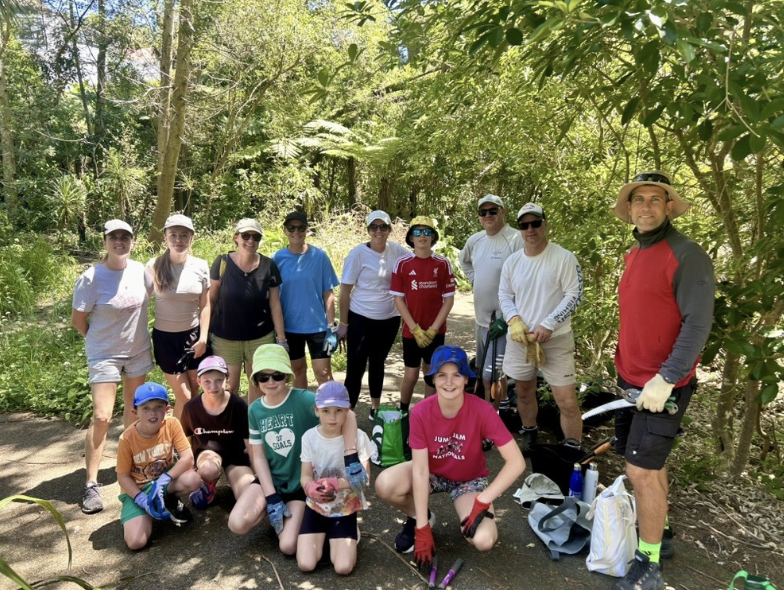
What a difference a community can make! Since the Guardians of Deep Creek held their first working bee in December 2025, this Torbay reserve has been undergoing a remarkable transformation, thanks to a dedicated group of local volunteers.
What began as a daunting task, tackling extensive invasive weeds and restoring native habitat, has grown into something much more. Neighbours have become friends, monthly working bees are filled with conversation and laughter, and this special patch of whenua is getting some much-needed care.
Tackling the weeds, one area at a time
When the project began, the scale of the challenge was clear. Large areas of the reserve were dominated by invasive plants, including bamboo, cherry, acmena, ginger, arum lilies, wattle, bangalow palms, ivy, morning glory and honeysuckle.
Rather than trying to tackle everything at once, the group focused on protecting the established native bush first, systematically removing invasive plants before gradually working out towards the reserve’s edges.
The results are already visible. Previously overgrown areas have been cleared, native vegetation has more room to thrive, and new planting sites are being prepared for the coming seasons.
Monthly working bees have been central to this progress, with volunteers learning about native plant identification, weed control techniques and the importance of protecting existing habitat along the way.
The group has also welcomed support from the wider community. In February, a team from North Harbour Sport joined a working bee, helping tackle honeysuckle and morning glory and making a fantastic contribution to the restoration effort.
New growth at Deep Creek
The group’s first major planting day on 1 August was an exciting milestone, helping bring the total to 560 native plants in the ground.
Large pūriri have been planted around the grassed area, while locally rescued oioi and harakeke have been given a second home in the reserve, including along newly created swales.
The team has also found creative ways to reuse resources. Bamboo removed during weed control has been repurposed as stakes to support newly planted kahikatea, while mulch has been brought in to help establish new planting areas.
Restoration is as much about planning for the future as it is about the work happening today. With further planting sites already being prepared, the group is laying the groundwork for continued progress next season.
Protecting native wildlife
Alongside weed removal and planting, predator control is another important part of restoring Deep Creek’s natural environment.
So far, 225 predators have been removed, including rats and possums, helping reduce the pressure on native birds, insects and other wildlife.
By combining pest plant removal, predator control and native planting, the group is taking a coordinated approach to restoring the reserve and giving native species a better chance to thrive.
Auckland Council has also supported improvements to the reserve, including new pathways and no-dumping signs, helping make the area more accessible and encouraging people to care for this special green space.
More than just a restoration project
Perhaps one of the most rewarding outcomes has been the sense of community growing around Deep Creek.
From the beginning, connecting with local residents was a priority. Letters were delivered to properties bordering the reserve, Torbay Primary School helped spread the word through its newsletters, and a project sign at the Deep Creek Road entrance encouraged people to find out more and get involved.
The response has been fantastic. Neighbours have embraced the opportunity to help care for their local reserve, with many regularly contributing time outside the monthly working bees, tackling invasive weeds, providing mulch and helping wherever needed.
And it’s not all hard work! The post-working-bee morning teas have become something of a tradition, giving volunteers the chance to catch up, share a laugh and enjoy the friendships that have grown through the project.
It’s this sense of connection and shared ownership that makes community-led restoration so valuable. The Guardians aren’t simply turning up for a working bee each month. They’re helping build a lasting commitment to the future of their neighbourhood reserve.
Patience, persistence and a plan
Restore Hibiscus & Bays’ Viv Walker has been sharing her restoration expertise with the Guardians, helping guide the work and plan for the years ahead.
As Viv explains:
“I look forward to our monthly sessions in the park. The connection with this community group is super meaningful. We are realistic though that there is some serious mahi needed, as exotic species are extensive in this reserve, so we have patience, persistence and a plan.”
There’s still plenty of work ahead. Invasive weeds will need ongoing management, newly planted areas will require care, and continued predator control will be essential to protecting the recovering habitat.
But the progress made in less than a year is already impressive. Thousands of invasive weeds removed, hundreds of native plants established, 225 predators caught, and a growing community of people committed to looking after Deep Creek.
A huge thank you to everyone who continues to contribute their time, energy and resources to this project. The transformation is well underway, and there’s plenty more to come!
Come and join the Guardians of Deep Creek!
Whether you’re an experienced conservation volunteer or simply keen to lend a hand, everyone is welcome.
When: Third Sunday of every month, 9am
Where: Deep Creek Reserve, Torbay
Come along, meet the team and help bring this special local reserve back to life.